Martin Luther King Jr. assassination scene
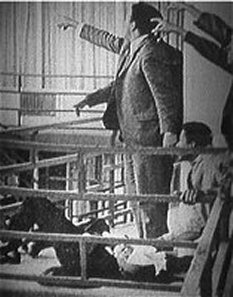
On April 4, 1968, Martin Luther King Jr. is shot to death at a hotel in Memphis, Tennessee. A single shot fired by James Earl Ray from over 200 feet away at a nearby motel struck King in the neck. He died an hour later at St. Joseph's Hospital. The death of America's leading civil rights advocate sparked a wave of rioting in the black communities of several cities around the country.
Robert Ford
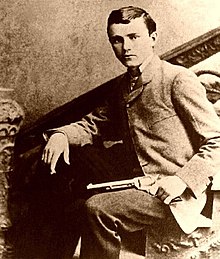
On April 3, 1882, one of America's most notorious outlaws, Jesse James, is shot to death by fellow gang member Robert Ford. For 16 years, Jesse and his brother, Frank, committed robberies and murders throughout the Midwest. Newspaper accounts and pulp novels glamorized the James gang, turning them into mythical Robin Hoods who were driven to crime by unethical landowners and bankers. In reality, Jesse James was a ruthless killer who stole only for himself.
John Gotti
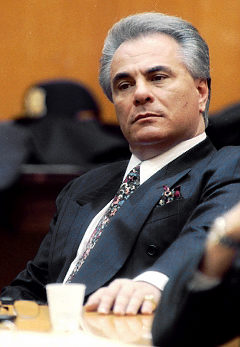
On April 2, 1992, a jury in New York finds mobster John Gotti, guilty on 13 counts, including murder and racketeering. In the wake of the conviction, the assistant director of the FBI’s New York office, James Fox, was quoted as saying, “The don is covered in Velcro, and every charge stuck.” On June 23 of that year, Gotti was sentenced to life in prison, dealing a significant blow to organized crime.

Marvin Gaye
On April 1, 1984, singer Marvin Gaye is murdered . At the peak of his career, Gaye was the Prince of Motown—the soulful voice behind many hits. Over the course of his roughly 25-year recording career, he moved successfully from upbeat pop to "message" music to satin-sheet soul, combining elements of Smokey Robinson, Bob Dylan and Barry White into one complicated and sometimes contradictory package.
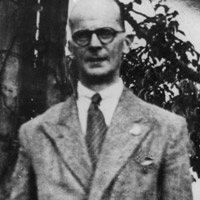
John Christie
John Reginald Christie was a notorious English serial killer active in the 1940s and early 1950s. He murdered at least eight females, including his wife Ethel, by strangling them in his flat at 10 Rillington Place, Notting Hill, London.

John Hickley Jr.
On March 30, 1981, John Hinckley, Jr. shoots President Ronald Reagan outside the Hilton Hotel in Washington D.C. The president had just completed an address to the Building and Construction Workers Union of the AFL-CIO. Hinckley was armed with a .22 revolver with exploding bullets and was only ten feet away from Reagan when he began shooting.

George Peter Metesky aka the Mad Bomber
On March 29, 1951, a homemade device explodes at Grand Central Station in New York City, startling commuters but injuring no one. In the next few months, five more bombs were found at landmark sites around New York, including the public library. Authorities realized that this new wave of terrorist acts was the work of the Mad Bomber.
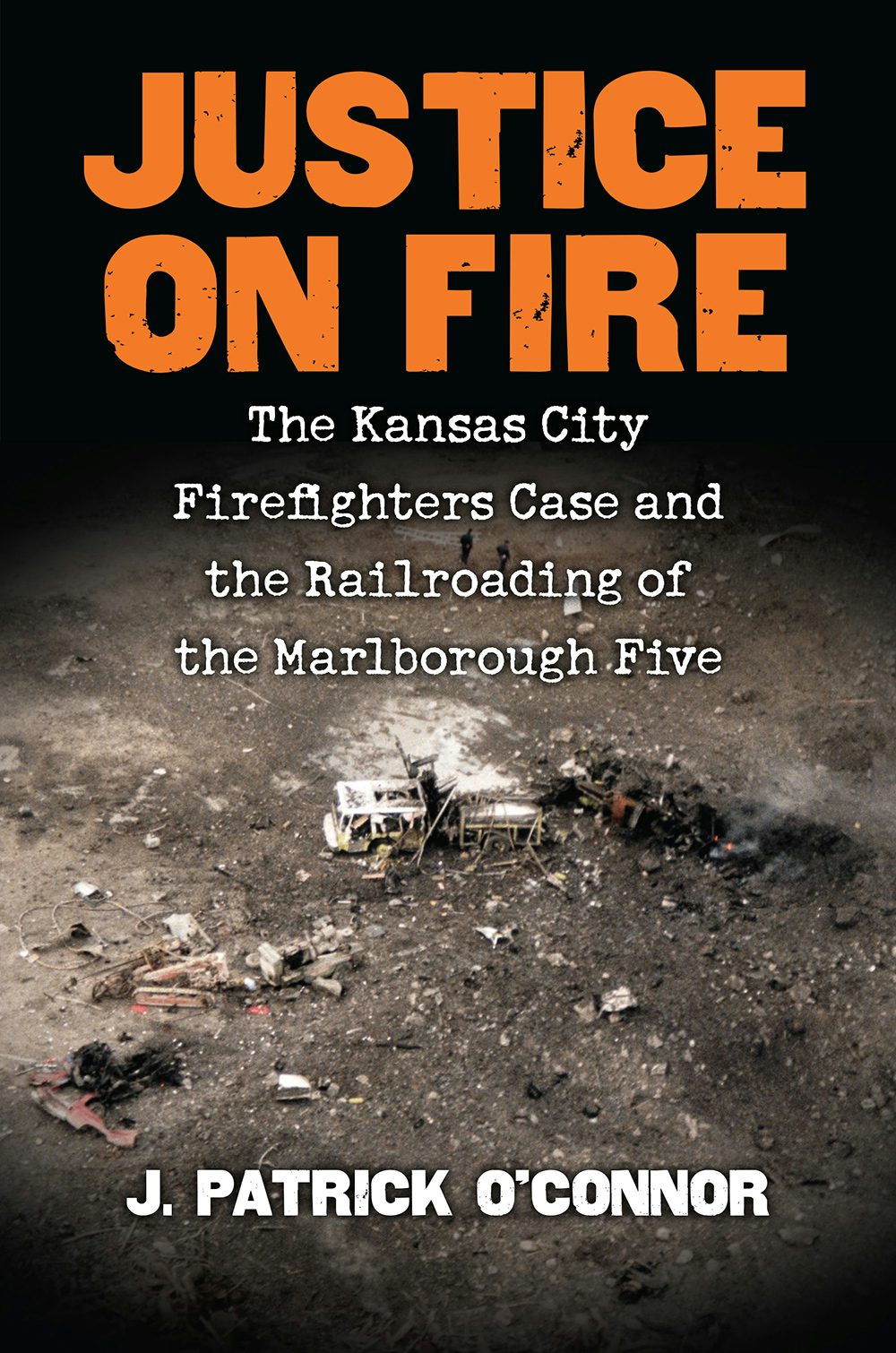
On the night of November 29, 1988, near the impoverished Marlborough neighborhood in south Kansas City, an explosion at a construction site killed six of the city’s firefighters. It was a clear case of arson, and five people from Marlborough were duly convicted of the crime. But for veteran crime writer and crusading editor J. Patrick O’Connor, the facts—or a lack of them—didn’t add up. Justice on Fire is OConnor’s detailed account of the terrible explosion that led to the firefighters’ deaths and the terrible injustice that followed. Also available from Amazon